
New flooring can change the look, comfort, and functionality of your home, but how much should you expect to spend? The answer depends on the flooring material, the size of the space, the condition of your existing floors, and the complexity of the installation.
Understanding flooring installation cost before starting a project helps you compare materials, plan your budget, and avoid unexpected expenses. Hardwood may offer timeless appeal, while luxury vinyl plank (LVP) and laminate can provide attractive alternatives at different price points. Each option has its own installation requirements and long-term maintenance considerations.
For homeowners planning flooring installation in Northern Virginia, local labor rates and sub floor conditions can also influence the final estimate.
This guide breaks down flooring installation prices by material, explains additional expenses, and helps you decide when professional installation offers the best value for your home.
How Much Does Flooring Installation Cost?
The average flooring installation cost varies according to material, labor, square footage, and preparation requirements. A broad national planning estimate is around $12.50 per square foot, including flooring and installation, although individual projects can fall well above or below that figure. Angi’s 2026 cost guide places many overall flooring projects between approximately $1,528 and $4,850.
Your actual floor installation cost depends on the type of floor you choose and the work required to prepare the space.
For example, installing click-lock vinyl plank flooring in a relatively open room may be more straightforward than laying hardwood in several rooms with closets, stairs, and multiple transitions. If the existing sub floor also needs repairs, the budget can increase.
Here are a few factors to consider when establishing your initial budget:
- Flooring material: Carpet, laminate, vinyl, engineered hardwood, solid hardwood, and tile have different material and installation costs.
- Labor: Installation complexity, room layout, and the experience required for a particular material affect labor charges.
- Existing floor removal: Old flooring may need to be removed and disposed of before installation.
- Sub floor condition: Uneven, damaged, or moisture-affected surfaces may require preparation or repairs.
- Finishing details: Baseboards, transitions, stair nosing, and trim can add to the total.
A useful first step is to measure the area you want to update, shortlist a few suitable flooring materials, and request an itemized flooring installation estimate.
What Does Flooring Installation Cost Include?
A flooring installation quote should explain what the contractor will supply, what work the price covers, and which services are charged separately.
Although every proposal is different, the total may include the following components.
Flooring Materials
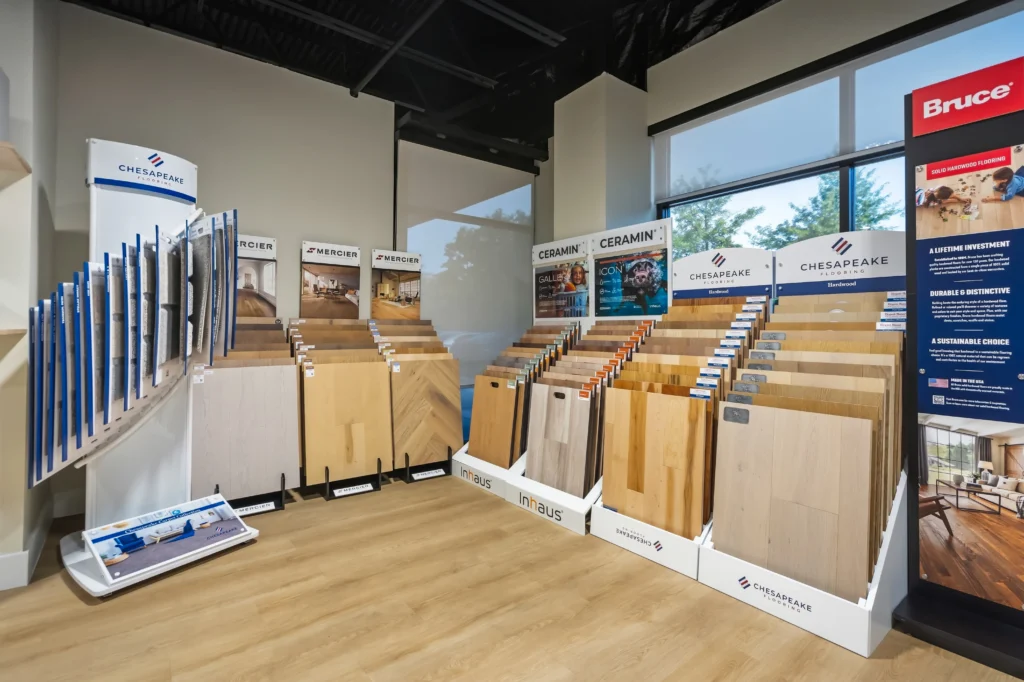
Material costs depend on the product, brand, quality, thickness, finish, and design. Basic laminate and vinyl options generally cost less than premium hardwood or natural stone tile.
It is also important to account for material wastage. Extra flooring may be needed for cuts, damaged pieces, and future repairs. The amount depends on the layout, material, and installation pattern.
Installation Labor
Labor covers the work involved in laying the floor correctly. Depending on the material, this may include measuring, cutting, fastening, clicking planks together, applying adhesive, setting tile, or finishing hardwood.
Complex layouts and detailed patterns often require additional time and precision.
Sub floor Preparation
The sub floor is the surface beneath your finished flooring. It needs to be sufficiently clean, stable, dry, and level for the selected material.
Sub floor preparation may involve removing adhesive residue, filling low spots, correcting uneven areas, repairing damaged sections, or addressing moisture problems.
Ignoring these issues can affect how the new floor looks and performs, even when the visible material is high quality.
Underlayment and Installation Accessories
Some flooring types require underlayment, moisture barriers, adhesives, or other installation products. The requirements depend on the flooring system and the manufacturer’s instructions.
Finishing and Cleanup
Finishing work can include transition strips between rooms, baseboards, trim, stair nosing, and cleanup after installation.
Always check whether these items are included in the quoted price. Two flooring installation prices may appear similar at first but cover different amounts of work.
How Much Does Each Flooring Type Cost to Install?
The type of flooring you choose is one of the biggest influences on your total budget. The following national planning ranges include material and installation and are intended as broad estimates, not a guaranteed quote.
| Flooring Type | Indicative Cost per Sq. Ft. | Best Known For |
| Carpet | $3.50–$11 | Comfort and warmth |
| Laminate | $3–$13 | Budget-friendly wood-look styles |
| Vinyl flooring, including LVP options | $2–$14 | Versatility and easy maintenance |
| Engineered hardwood | $4.50–$16 | Real-wood appearance and dimensional stability |
| Solid hardwood | $6–$25 | Timeless appearance and refinishing potential |
| Tile | $15–$20 | Durability and water resistance |
Actual prices vary within each category based on product quality, location, preparation, and installation complexity. Luxury materials, premium product lines, and specialized installation patterns may cost more.
Hardwood Flooring Installation Cost
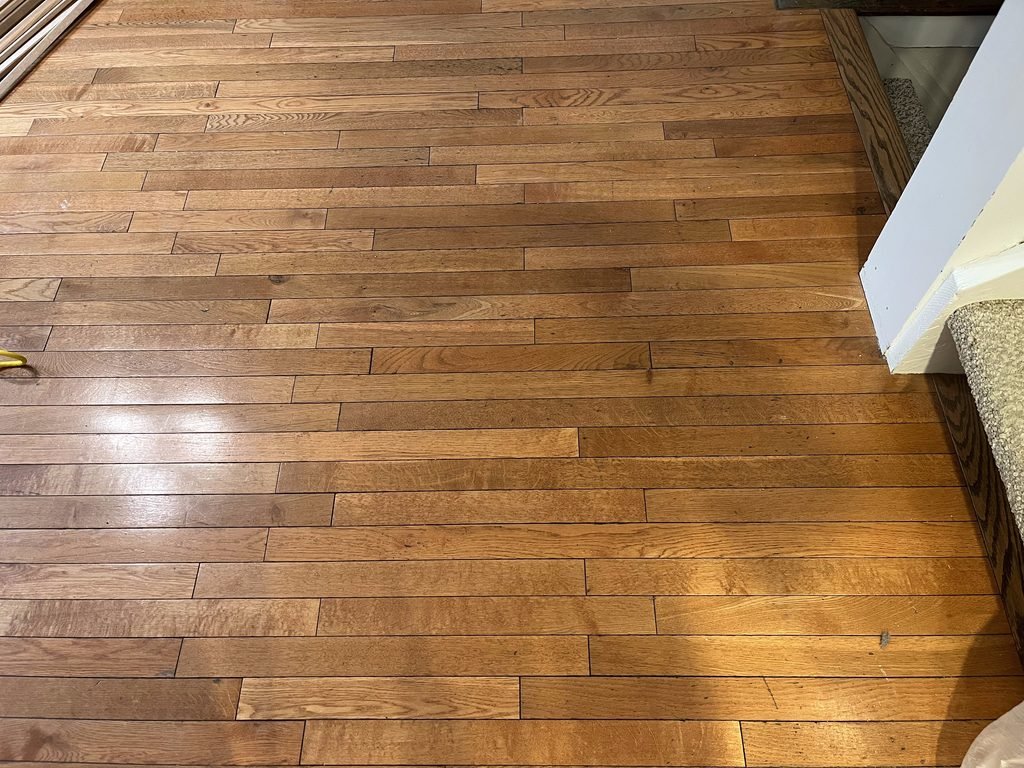
Hardwood is a popular choice for living rooms, hallways, and bedrooms because of its natural appearance and long-term appeal.
The hardwood flooring installation cost depends on the wood species, grade, plank width, finish, and installation method. Solid hardwood and engineered hardwood are also priced differently.
Solid hardwood may be refinished multiple times, depending on its thickness and condition. However, it can be sensitive to moisture and seasonal changes in humidity. Engineered hardwood has a layered construction with a real-wood surface, which can provide greater dimensional stability in certain conditions.
Consider both the initial price and the maintenance requirements when choosing between these options.
Luxury Vinyl Plank Installation Cost
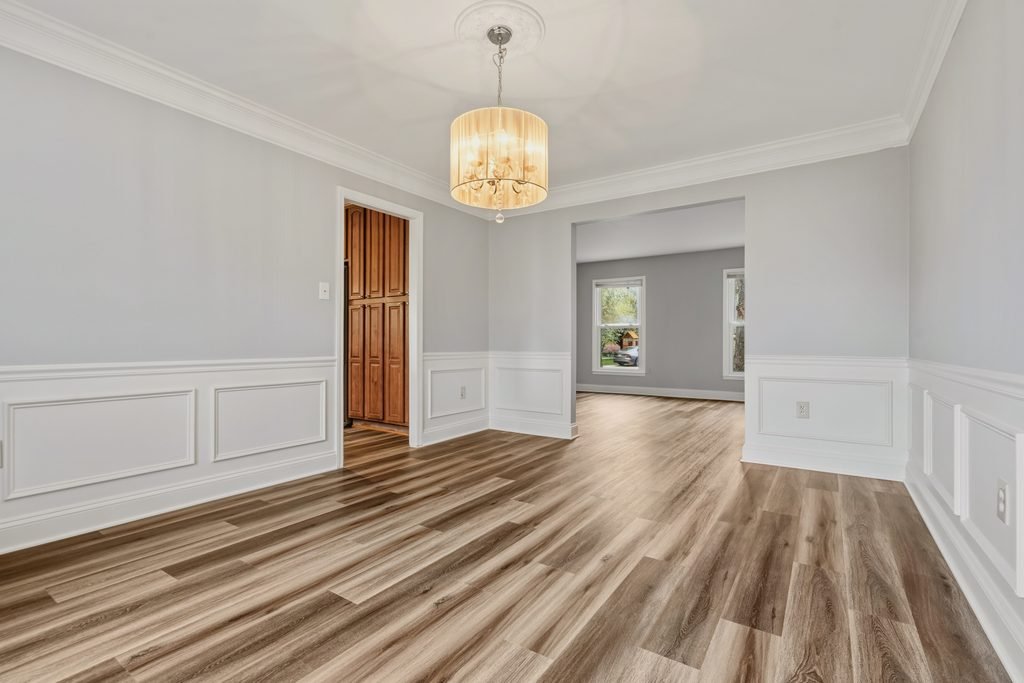
The luxury vinyl plank installation cost depends on the product’s construction, wear layer, finish, installation method, and sub floor condition.
LVP is available in wood-look and stone-look designs, making it a flexible option for many interior styles. Many products are designed to resist everyday spills and moisture, although water resistance varies by product and does not eliminate the need to follow installation requirements.
The overall cost may increase if the floor requires extensive preparation, new underlayment, or additional trim and transitions.
Laminate Flooring Installation Cost
The laminate flooring installation cost is often lower than that of premium hardwood or tile, making it an option for homeowners looking for an attractive finished floor within a defined budget.
Laminate flooring is available in a wide range of wood-inspired finishes and is frequently installed using click-lock systems. However, not every laminate product is suitable for wet areas, and water resistance varies by product.
Compare the flooring’s durability rating, manufacturer’s care instructions, and moisture limitations before making your choice.
Engineered Hardwood Flooring
Engineered hardwood combines a real-wood surface with a layered core. Its construction can help it handle changes in humidity more predictably than solid hardwood, although it is not automatically waterproof or suitable for every location.
Installation costs vary by product thickness, construction, installation method, and whether the selected floor can be installed over the existing sub floor.
This option can make sense for homeowners who want the appearance of natural wood while considering how the floor will perform in their home’s environment.
Tile Flooring
Tile can be a practical choice for kitchens, bathrooms, entryways, and other areas where moisture resistance and easy cleaning matter.
Ceramic and porcelain tile usually require careful surface preparation and precise installation. Large-format tiles, intricate patterns, and detailed grout work may increase labor costs.
Natural stone tile can cost considerably more depending on the stone and finish. Sealing and ongoing maintenance requirements also vary by material.
Carpet Flooring
Carpet offers a softer surface and can add warmth to bedrooms, family rooms, and selected basement spaces.
Its cost depends on fiber type, carpet construction, padding quality, and the shape of the room. Stairs, unusual corners, and transitions can add installation time.
When comparing prices, consider the carpet and padding together rather than choosing solely by the cost of the visible material.
What Factors Affect Flooring Installation Cost?
Several factors influence your total flooring installation cost beyond the price printed on the product label.
Material Quality and Design
Two products within the same category can have very different prices. Premium finishes, thicker wear layers, specialized construction, wider planks, and distinctive designs may increase the material cost.
For hardwood, species and grade matter. For LVP, product construction and wear layer are important considerations. For tile, material type, size, and pattern can affect both materials and labor.
Room Layout
A simple, open room is generally easier to install flooring in than a space with several corners, closets, doorways, and transitions.
Patterns such as herringbone or diagonal layouts may require additional measuring and cutting, increasing installation time and material wastage.
Existing Flooring Removal
The cost of flooring removal and disposal depends on what is currently installed, how it was attached, and how difficult it is to remove.
Removing carpet is generally more straightforward than removing tile set in mortar. Old adhesive, multiple layers of flooring, or difficult access can also increase labor and disposal costs.
Sub floor Condition
A floor that looks fine from above may still have uneven areas, weak sections, moisture concerns, or damage beneath the surface.
If repairs are necessary, the contractor may need to address them before installing the new flooring. The extent of the work determines how much it adds to the budget.
Furniture and Accessibility
Rooms filled with furniture may require additional time to clear and prepare. Stairs, narrow hallways, limited access, and occupied spaces can also affect project scheduling and labor requirements.
Finishing Details
Replacing baseboards, installing transitions, adjusting door clearances, and finishing around stairs can all influence the final price.
When reviewing estimates, make sure these details are addressed rather than assuming they are automatically included.
How Does Square Footage Change Flooring Costs?
The flooring installation cost per square foot helps you estimate a project, but it should not be the only number you consider.
To calculate the area, multiply the room’s length by its width.
Floor area = Length × Width
For example, a room measuring 15 feet long and 12 feet wide has an area of 180 square feet.
If the installed flooring rate is $8 per square foot, the initial calculation would be:
180 sq. ft. × $8 = $1,440
This is a basic illustration, not a quote. The final price may be higher after accounting for material wastage, floor removal, sub floor repairs, furniture moving, or finishing work.
Larger projects may receive a lower per-square-foot labor rate because installation crews can work more continuously across an open area. However, the overall project cost will usually rise as more flooring is installed.
Smaller projects may also have minimum labor or service charges, which can make the per-square-foot price higher than expected.
For a useful comparison, ask contractors to provide both the total project price and the rate per square foot, along with a clear list of included and excluded services.
What Extra Costs Can Increase Your Flooring Budget?
Additional expenses can turn an apparently straightforward project into a more involved one. Planning for them early helps you compare quotes and reduce surprises.
Flooring Removal and Disposal
Ask whether the estimate includes removing and hauling away the old floor. Some contractors separate these tasks from the installation price.
Tile removal, in particular, may require more labor and can leave the underlying surface in need of repair.
Sub floor Repairs and Leveling
Sub floor preparation can add to the budget if the surface is uneven, damaged, or unsuitable for the selected material. Repairs should be assessed based on the actual condition rather than assumed in advance.
Underlayment and Moisture Protection
Some flooring systems need underlayment for sound reduction, cushioning, or installation compatibility. Basements and other moisture-sensitive areas may require additional moisture assessment or protection.
Baseboards, Trim, and Transitions
New flooring may change the height of the finished surface, requiring adjustments around doorways, baseboards, stairs, and adjoining floors.
These finishing details affect the overall appearance and should be included in the project plan.
Furniture Moving
If furniture, appliances, or other belongings need to be moved, confirm whether the contractor handles this work and whether it carries an additional charge.
Unexpected Damage
Removing existing flooring may reveal problems that were not visible beforehand, such as moisture damage or deteriorated sub floor sections. Older flooring can also require special assessment before removal.
Ask how unexpected work will be documented, priced, and approved before it proceeds.
How Much Does Flooring Installation Cost in Northern Virginia?
The cost of flooring installation in Northern Virginia depends on local labor rates, material availability, the type of home, and the condition of the existing floor.
A 2026 Northern Virginia contractor’s published pricing guide provides the following indicative installed ranges. These are third-party planning estimates, not Elegant Home Solutions LLC pricing, and exclude certain additional costs such as extensive flooring removal and sub floor repairs.
| Flooring Type | Indicative Northern Virginia Installed Cost per Sq. Ft. |
| Laminate | $8–$12 |
| Luxury vinyl plank (LVP) | $9–$15 |
| Carpet | $6–$12 |
| Engineered hardwood | $13–$22 |
| Solid hardwood | $16–$26 |
| Ceramic or porcelain tile | $18–$33 |
| Natural stone tile | $27–$50+ |
These ranges are intended to help with early budgeting. The source’s published figures vary in places, and actual contractor estimates can differ based on product specifications, project conditions, and what’s included in the quote.
For example, flooring installation in Sterling, Ashburn, Fairfax, Reston, Vienna, or Leesburg may involve different property conditions and project requirements. Even within the same neighborhood, two installations can have different costs depending on the layout and preparation needed.
Northern Virginia’s seasonal humidity changes are another consideration for wood flooring. Solid and engineered hardwood should be installed according to the manufacturer’s acclimation and moisture requirements. Basements and other moisture-sensitive areas may need additional assessment before the material is selected.
When requesting a flooring installation estimate, ask for a breakdown of materials, labor, existing floor removal, sub floor preparation, and finishing work. This makes it easier to understand the total cost and compare proposals fairly.
Is Professional Flooring Installation Worth the Cost?
DIY flooring installation may reduce labor expenses, but it also requires time, preparation, the right tools, and careful attention to the product’s installation requirements.
Professional flooring installation costs more upfront, but the value comes from the quality of preparation, accuracy of the installation, and the likelihood of avoiding preventable problems.
DIY vs. Professional Installation
| Consideration | DIY Installation | Professional Installation |
| Upfront cost | Usually lower if you already have tools | Includes installation labor |
| Tools and equipment | Must be purchased, rented, or borrowed | Installation team brings suitable tools |
| Preparation | Homeowner handles measuring and surface checks | Preparation can be assessed as part of the project |
| Installation accuracy | Depends on the homeowner’s experience | Experienced installers handle detailed cuts and fitting |
| Time commitment | Can take longer, especially for first-time installers | Often more efficient for experienced crews |
| Repairs and mistakes | Homeowner may bear the cost of errors | Workmanship terms may provide some protection |
| Warranty considerations | Must follow product requirements carefully | Ask which product and workmanship warranties apply |
When DIY May Make Sense
DIY may be reasonable for a homeowner with the necessary skills who is installing a straightforward click-lock flooring product in a small, well-prepared room.
You will still need to follow the manufacturer’s instructions, measure accurately, leave the appropriate expansion gaps, and account for transitions and finishing details.
Incorrect cuts, an uneven base, or a poorly installed joint can affect the final appearance and performance.
When Professional Installation Is Worth Considering
Professional installation is especially worth considering for hardwood, tile, stair flooring, complex layouts, extensive room transitions, or projects involving sub floor repairs.
Experienced installers can identify preparation requirements, make precise cuts, and fit flooring around obstacles. They can also help coordinate the work and clarify which products, installation methods, and warranties apply.
Professional installation does not guarantee that problems will never occur. However, a clearly scoped project with suitable preparation can reduce the risk of avoidable installation errors.
The important question is not simply which option costs less at the start. It is which option provides the right combination of appearance, durability, maintenance, installation quality, and overall value for your home.
Get a Personalized Flooring Installation Estimate
Choosing new flooring involves more than comparing prices per square foot. The right flooring material should suit your home’s design, the way each room is used, and your expectations for durability and maintenance.
Elegant Home Solutions LLC provides flooring installation, replacement, repair, and refinishing services for homeowners throughout Northern Virginia. From hardwood and luxury vinyl plank to laminate, tile, and carpet, the team helps homeowners explore flooring options that suit their space, preferences, and budget.
A personalized estimate can help you understand the work involved, identify potential preparation needs, and plan the project with greater confidence.
Ready to update your floors? Contact Elegant Home Solutions to discuss your flooring project and request a personalized flooring installation estimate.


